Written by:

Jacek Chruściany
Published
Read time
2 min

Why Media Governance Becomes Mission-Critical in the AI Era
By Jacek Chrusciany, Founder and CEO of Adfidence
As more global advertisers move from testing AI to relying on it in daily buying, they’re seeing clear gains in performance. But they’re also discovering how quickly small mistakes can scale.
In the past, if a planner made a mistake in a campaign set up in one market, the issue usually stayed local. The team would notice the drop in performance or other indicators and adjust. The impact was limited to that campaign.
Today, however, campaigns are often set up centrally and rolled out across multiple markets at once. The campaign briefs increasingly focus on outcomes, with less detailed settings. AI systems then infer many of the executional choices, such as frequency, audience expansion or inventory choices.
If one of those inferred or automated settings is off, it doesn’t affect one market. It can affect ten or twenty simultaneously.
This isn’t a theoretical concern. It’s something we’ve observed across campaigns we govern in all major platforms, whether that’s Google, Meta, TikTok or Amazon.
In fact, over the last three years, close to half of the campaigns we audited didn’t meet basic governance standards at launch. These campaigns were set to run without full alignment to brand or campaign intent.
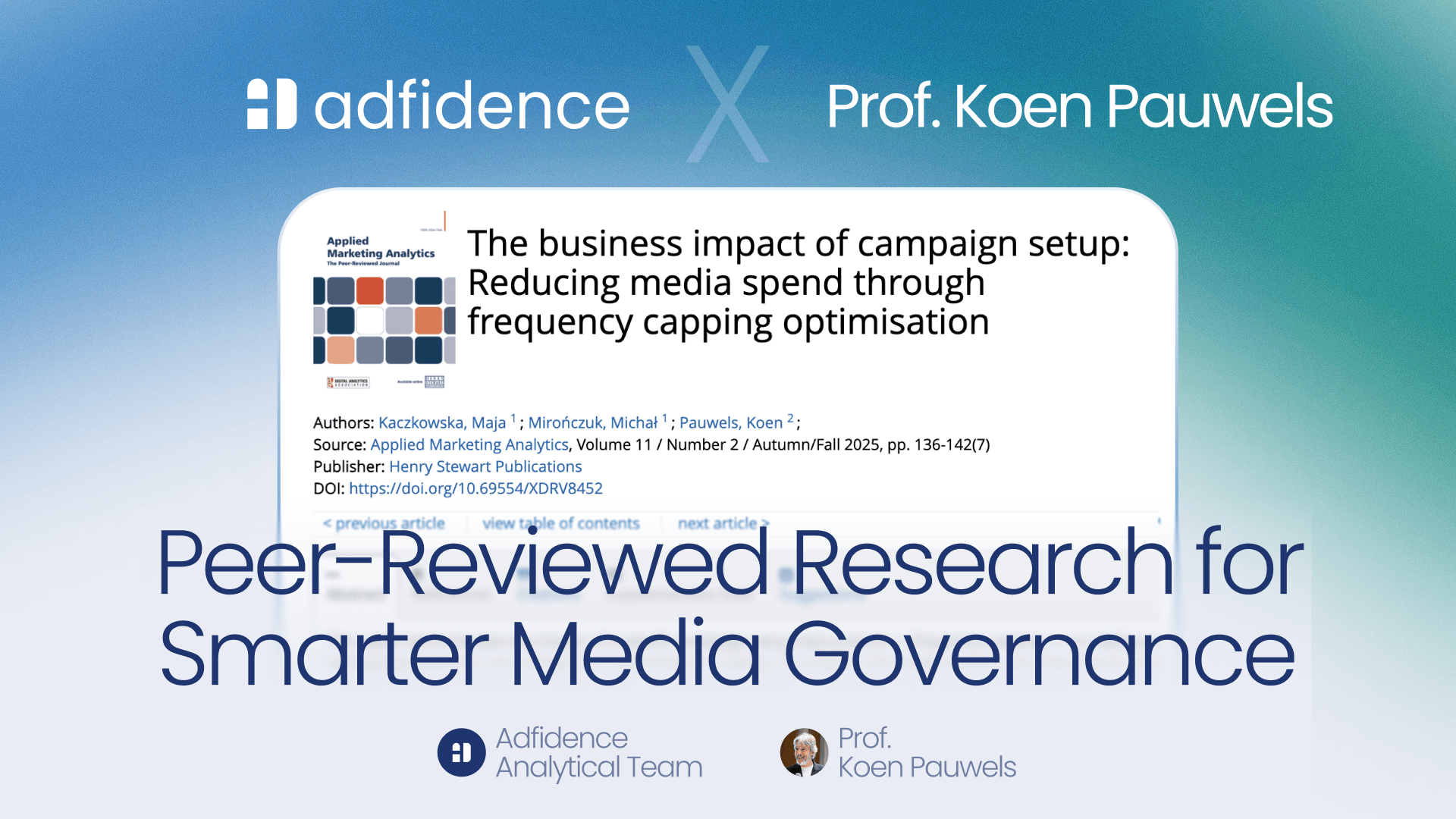
One of the most common mistakes we find? Issues with frequency caps.
Post-campaign analysis for one of our clients, a global FMCG advertiser, revealed severe overexposure on a campaign running across multiple markets. The ad was reaching the same target seven times a week, which is far beyond brand standards.
This type of overexposure leads to burned budgets, wasted reach, and annoyed consumers seeing the same ads far too many times.
These aren’t edge cases or junior errors. In most situations, they come from platform automation defaults (for example pre-set frequency or inventory configurations) or from account-level settings such as extended audiences that are activated once and then automatically applied to all subsequent campaigns.
AI reduces some errors, and introduces new ones
The problem isn’t the automation. AI does exactly what it’s told. It optimizes within the rules people set. But when one of those rules is off, whether a frequency cap, a targeting expansion or a brand safety filter, the mistake doesn’t stay contained. It multiplies faster than any human team can react.
In centrally managed global campaigns, where media is funded from a single budget and configured once for multiple markets, a single flawed rule can lead to wastage of tens of millions in spend before anyone realizes there’s a problem.
Based on the initial audits we conduct with new clients, the average governance score is approximately 70%, meaning nearly one-third of media spend is influenced by preventable setup issues at launch. Addressing them before activation typically takes minutes or hours. Correcting them after the budget has been deployed is near impossible.
Does governance slow innovation? Not anymore.
In my early agency-side roles, governance often did slow teams down. It was designed for manual buying, and that usually meant static rules combined with strict approval chains, and compliance checks. The process was detached from where the buying decisions were made and siphoned away time as teams tracked down approvals instead of learning from what worked.
What we’re seeing today is different. The lack of governance in an AI-driven buying environment leads to noise and waste, not freedom. Teams waste days and even weeks fighting fires that surface after campaigns have already run, whether from these frequency blowouts or brand safety issues that could have been prevented if thought through before.
Shared visibility doesn’t restrict innovation, it’s what makes it possible. Teams move faster. They spend less time explaining what went wrong and more time testing what works. Governance protects their time and attention, giving innovation the space it actually requires.