Written by:

Jacek Chruściany
Published
Read time
2 min

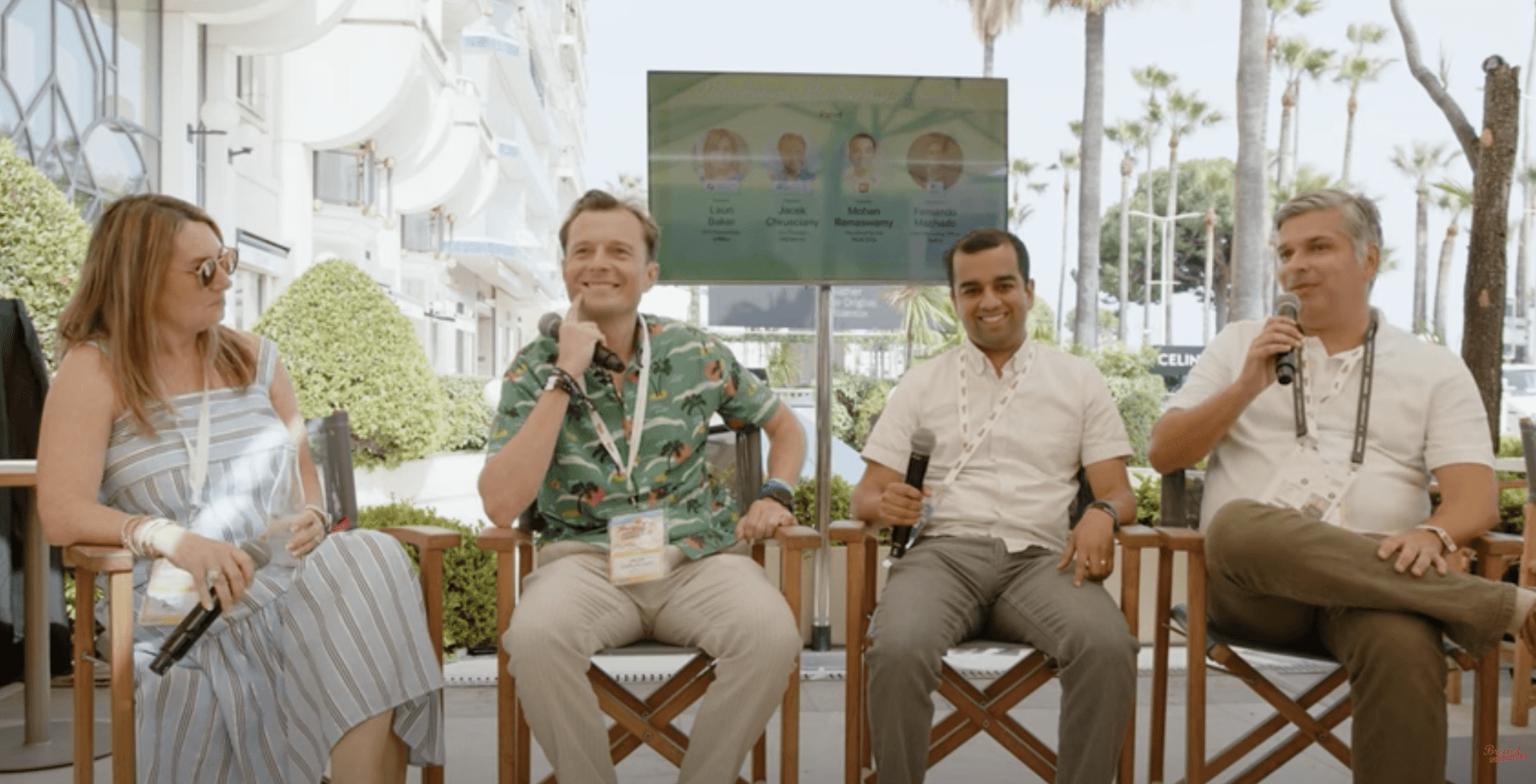
The open internet is at a crossroads. In a candid five-minute exchange at Adweek, Adfidence CEO Jacek Chruściany laid out why the programmatic ecosystem must fix two fundamental problems — or risk losing advertiser budgets for good.
Trust is the first problem. Walled gardens — Google, Meta, Amazon — have built a perception of reliability that the open internet hasn't matched. Recent events around trade desk policies and industry upheavals have only deepened that gap. "It all comes down to trust to get those advertising budgets," Jacek noted. For large advertisers, programmatic is a single line item in a media plan — one decision, not many. When trust in the ecosystem erodes, everything suffers — publishers included. And publishers, notably, had no say in it.
Performance is the second. E-commerce brands count every dollar. Walled gardens have a structural advantage: the conversion pixel on the thank-you page. The open internet doesn't. That makes proving performance exponentially harder. But Jacek sees a window opening: new data connectivity possibilities — better use of first-party data, more sophisticated attribution models — could finally let the open web demonstrate real results for e-commerce. And if it does, brand budgets will follow.
The conversation landed on a pointed observation: the open internet's problems aren't the publishers' fault. The broader intermediary layer — complex, opaque, self-serving — is what damaged the ecosystem. The fix has to come from the industry doing its homework.
The open internet can compete. But it has to earn the right.